RSS

6 Affordable Ways to Boost your Home's Curb Appeal

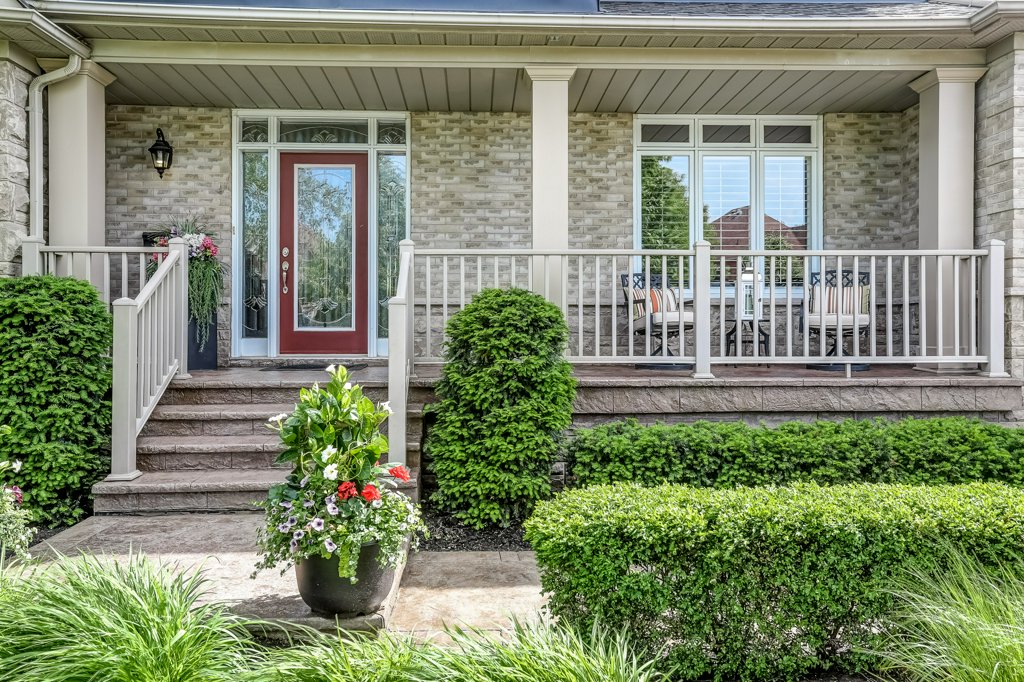
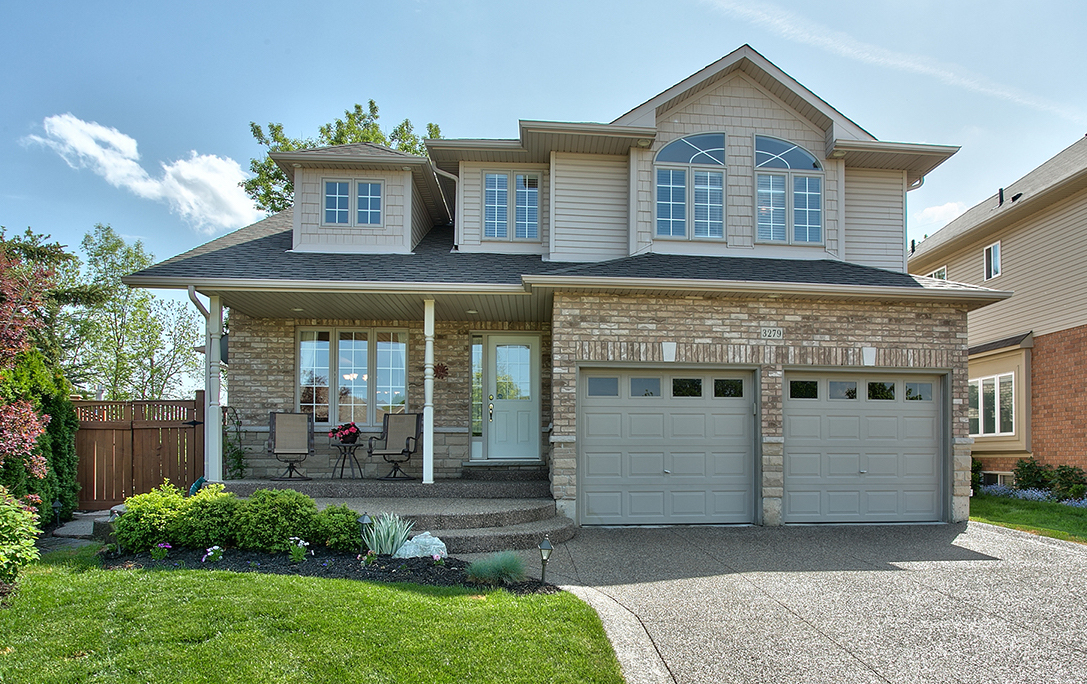
When buyers come to see your home, the first thing they notice is how your property looks from the curb. That first impression is powerful and lingering. If buyers don't like what they see, it can influence how they judge the rest of your property, regardless of how great it looks on the inside.

You definitely want to do whatever you can to boost curb appeal. Here are six affordable ideas to consider:

1.    Driveway sealing. This makes the pavement look darker and less faded. It also helps cover up some of the cracks. Sealing won't give you the "brand new" look of repaving, but it's close — and significantly less expensive.

2.    Exterior window washing. Washing the front windows makes them look clean and bright. In fact, the effect can be stunning. There are window washing products that connect to your hose to make this job easier. Check your home improvement retailer.

3.    Maintaining shrubs, hedges and flower beds. Trimming the hedges, shrubs and other evergreens can make a big difference in how your property looks from the street. It's like giving them all a haircut! Flowering plants can also brighten up the look.

4.    Front door painting. From the curb, a buyer's eye is naturally drawn to your front door. If your entry system looks old and worn, consider a fresh coat of paint. It can make the entrance look almost new.

5.    Garage door painting. This is abigger project that can take a day or two, but the effort might be worth it. For many homes, the garage door is the biggest item in the curb appeal panorama. Making it look better will have a big impact.

6.    Removing unsightly items. Look at your home from the street. Are there items in your field of vision that take away from the curb appeal? For example, are there garbage cans and other items stowed along the side of the property and visible from the road? If so, move them.

Read

What to Fix Up in your Home before You Sell

If you have a home that is overdue for a renovation, you might be worried that it will be difficult to sell as a "fixer-upper". In fact, you might delay listing your property for that reason.

The good news is, you don’t need to fix up everything in your home to prepare it for sale. You can be selective and choose only those projects that are most likely to help your home show well and sell quickly.

Here are some projects to consider:

·       Repairs. Few things stand out more during a viewing than something in obvious need of repair. That includes minor issues, like a dripping bathroom faucet, as well as major concerns, such as the central air conditioning unit not working. Get these repairs done.

·       Painting. Painting is one of the easiest and most affordable DIY projects you can do. Yet the impact it can have on your home is stunning. Some rooms are completely transformed by a fresh coat of paint.

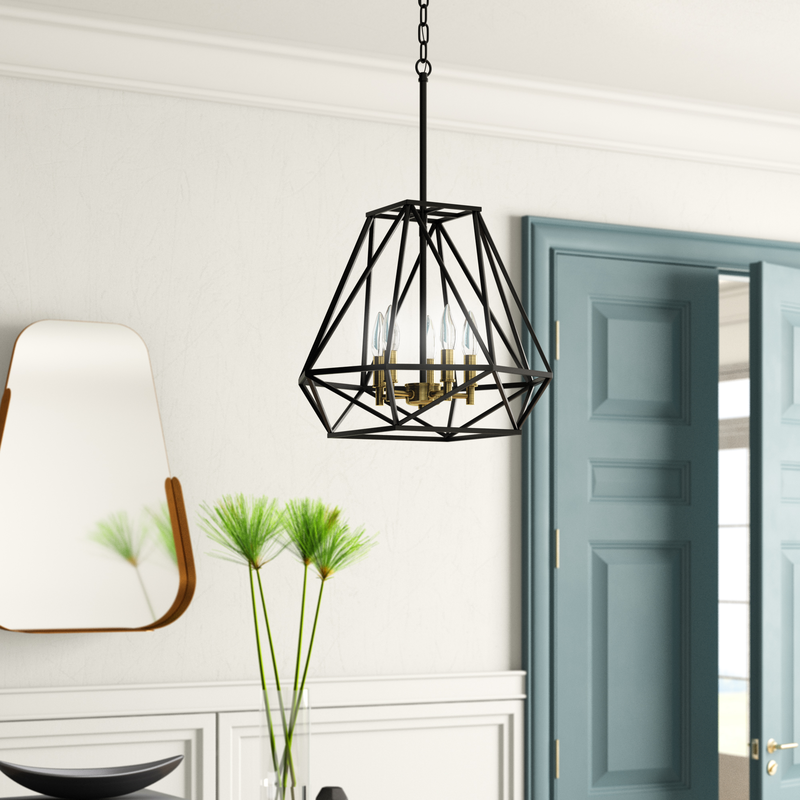
·       Light fixtures.  A quick and affordable way to add flair and ambiance to a room is by updating the light fixtures. With all that is available on-line today, it is easy to find budget-friendly options that will completely transform the feel & look of your home.

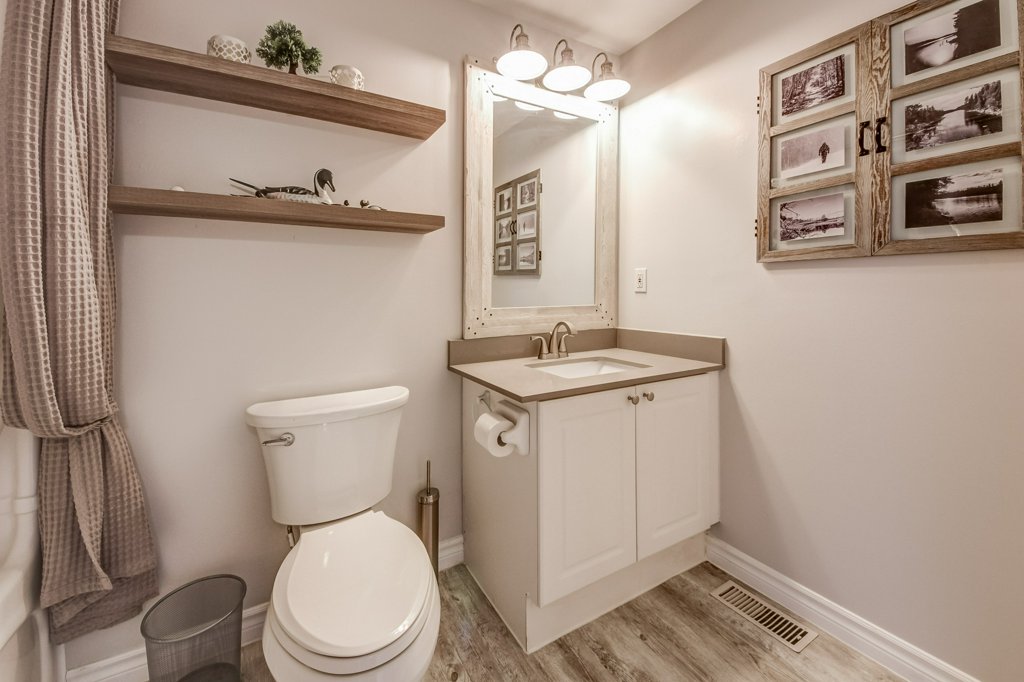
·       Kitchens & Bathrooms. Buyers love to see great looking kitchens and bathrooms. In fact, there are even magazines devoted just to those rooms! You don't necessarily need to do a major renovation of these spaces, but a makeover can be a good idea. Consider replacing sinks, countertops, and/or cabinet hardware.

·       Floors. If the floors in any of your rooms have become worn and unsightly, look at options for refreshing them. Consider replacing carpeting, refinishing hardwood, and/or getting tiles professionally cleaned and polished.

·       Outdoors. Sometimes you can compensate (a little) for a less-than-ideal interior by sprucing up the outdoor space. Explore ways to improve your deck or patio, walkways, and landscaping.

Even if your home is older, you can make it more attractive to buyers with any one of these projects.

Want more ideas for finding eager buyers for your home? Call today.

Read

Getting a DIY Renovation Done On time and On Budget

Two of the biggest stressors for DIYers are projects that cost too much or take too long. Unfortunately, there’s no sure way to guarantee that one or the other (or both) won’t happen. But there is a lot you can do to minimize the probability.

When budgeting, a big mistake DIYers make is not considering the little things. For example, you might budget for drywall panels but neglect to include the cost of nails, tape and plaster. It's easy to overlook these small items thinking they won't add up to much of an expense. But often they do. In fact, for many renovation projects, the little things account for up to 20% of the cost.

Another expense that is often overlooked is taxes. When you find a bathtub you like for $399, be sure to budget for what you'll actually pay out-of-pocket. Also, don't forget possible delivery expenses.
A budgeting tip many experts recommend is to price everything you need and then add 10%. That gives you a buffer.

Regarding scheduling, consider whether or not you've done this type of project before. If you're laying hardwood floors for the first time, there's a learning curve. You'll likely take two or three times longer than you would if you were more experienced.

Even if you have experience with the type of project you’re undertaking, it's human nature to underestimate how long it will take. So, if you feel confident you can install that sink in an hour, give yourself two.

A lot of this, of course, is common sense. But if you take a common sense — rather than an optimistic — approach to budgeting and scheduling, you'll stand a much better chance of your DIY project going smoothly.

Read

How to create a functional workspace in your home

As more and more people have to work from home, the planning of home offices has become increasingly significant. There are many ways of creating office space and realizing a space that is a pleasure to use.
 
Perhaps one of the first points to consider is where to place your office. Your work may require privacy and your home office might get in the way of family living, especially now that kids are at home too. Make sure you’re not working off your couch all day as it will negatively affect your productivity and may potentially affect your posture and hurt your back.  Choose an area well away from the hub of family life, like a seldom-used guest bedroom, loft or basement space. It may be worth converting a garage or outbuilding to achieve a comfortable home office environment.
 
A proper desk and some adequate storage are also essential if working from home is to be a success.  When you are seated, the computer screen should align with your eye-level and the keyboard should sit at a slightly lower level so that your hands are at right angles to your elbows.  Office items often create a “busy” effect so for a sense of calm and order, having your space well organized with shelving, cabinets and(or) drawers is key.
 
List every piece of essential equipment that you will be using in the dedicated home office and decide how near or far each item is to be stored in relation to your desk for maximum efficiency.
 
A comfortable chair that provides good support is essential.  The chair should be adjustable and on wheels, for greater mobility. Consider a standing desk, especially if your work demands that you sit for long periods in front of a computer. Otherwise, make sure you get up and move / stretch every 20 minutes.
 
Good lighting is also important. Desk lighting should fall without creating shadows or glare.  A desktop lamp on a flexible arm is much easier to control than a desk lamp with a fixed head. Same thing for natural lighting: make sure your desk is facing the window or sideways to avoid glare on your computer screen.
 
If space permits, try to add a comfortable area for relaxation with a small coffee table for setting down a glass of water and a book or magazine.  But don’t make it so cozy that all you’ll want to do all day is nap.
 
Working from home can give you some flexibility but keep in mind that you still have to plan your day with time slots for getting work done. 
 
-Determine the start and the end of your workday then make a schedule that include proper lunch break and stick to it. 
 
-Get dressed for work even if you’re not going out. Getting out of your pj, showering and getting into comfortable clothes can help get you into work mode and be ready for any impromptu video conference with your clients or colleagues. 
 
-Reduce distractions that don’t require your immediate attention, like television and household chores. You can do those during your lunch break or after work hours.
 
With a little work, you can quickly create a home office space that is comfortable, functional and enjoyable. It sure beats the dining room!

Read

DIY-Friendly Bathroom Makeovers

Want to make your bathroom look fantastic without having to do a major renovation? There are a lot of projects you can do yourself. In fact, there are some improvements you can get done in less than a day that will transform the look and feel of your bathroom. Check out these ideas:

·       Update the sink. If you have some basic plumbing knowledge, this is a project you should be able to do on your own. A new sink can make the entire vanity look like new.

·       Buy new decor. New shower curtains, towels, window coverings, mats, etc. can transform the look of a bathroom.

·       Install new hardware. Replacing cabinet hardware may not seem like much of a change. However, it can have a surprisingly big impact. Shiny new hardware is like jewelry. It stands out.

·       Replace the vanity mirror. Even if there are no scratches, an older mirror is like an old pair of glasses. It can become foggy. No amount of cleaning will make it any clearer. When ordering a replacement mirror, be sure that your measurements are exact.

·       Paint. There's no doubt about it. A fresh coat of paint makes any room look better.

These bathroom improvement projects can make a huge impact on the look of your bathroom. And, they can all be done affordably and in just a day or two.

Read

4 Steps to a Stress-Free Sale

Ideally, when you sell your home, you want the process to go smoothly and relatively stress-free. While things may happen that are outside your control, there is a lot you can do to ensure that the selling experience is a good one.

Consider these four steps to reduce worry and stress when listing your home:

Step 1: Learn the selling process.

Find out what to expect when the FOR SALE sign goes up. How will viewings be scheduled? Will an Open House be needed? What happens when there is an offer? The more you know, the less mysterious—and, therefore, less stressful—the experience will be.

Step 2: Schedule wisely.

Use a calendar to block out times for viewings and other selling-related activities. Be sure to schedule plenty of time to clean and declutter your home before a viewing or Open House. Try not to have a tight schedule during the sales period.

Step 3: Anticipate issues.

The more problems you can foresee, the better you'll be prepared to deal with them as they arise. For example, if you know you're going to have a busy week at work, start making plans now to deal with viewings and related matters during those days.

Step 4: Make decisions.

Things can move quickly in the real estate market. There might be a few days when there are no enquiries at all, and then suddenly two offers will come in.

Be prepared to make some quick decisions. Fortunately, with sound advice from me as your real estate agent, making those decisions will be a lot easier.

So, follow these simple steps. They'll help make your sale less worrisome and even enjoyable!

Read

3 Ways to Sell Your Home Quickly

When you put your home on the market, chances are you’ll cross your fingers and hope that a good offer – or two or three – will come in fairly quickly. So, what can you do to help make that happen? A lot!
 
Here are just three of many sure-fire ways to speed up the sale of your home.

 1. Price it right. Your home will sell more quickly when the list price is set at or near the current market value. That value is calculated using a number of factors, including what similar homes in the area sold for recently. You don’t want the price to be set too high, otherwise few, if any, buyers will bother to see it. On the other hand, setting the price too low may not excite as many buyers as you might think, and you may end up leaving a lot of money on the table. 

2. Staging. This is all about presenting each room of your home in a way that looks attractive to buyers. The technique involves decluttering, reorganizing furniture, and decorating strategically. Staging is proven to reduce the number of days a home sits on the market. In fact, many studies suggest you can expect a 10-20% reduction in days on the market. 

3.Flexibility.During the listing period, if you’re flexible when it comes to scheduling viewings, more buyers will see your home. More buyers means more chances that at least one will become interested and make an offer.

The great thing about these strategies is none involve lowering the price of your home.

Read

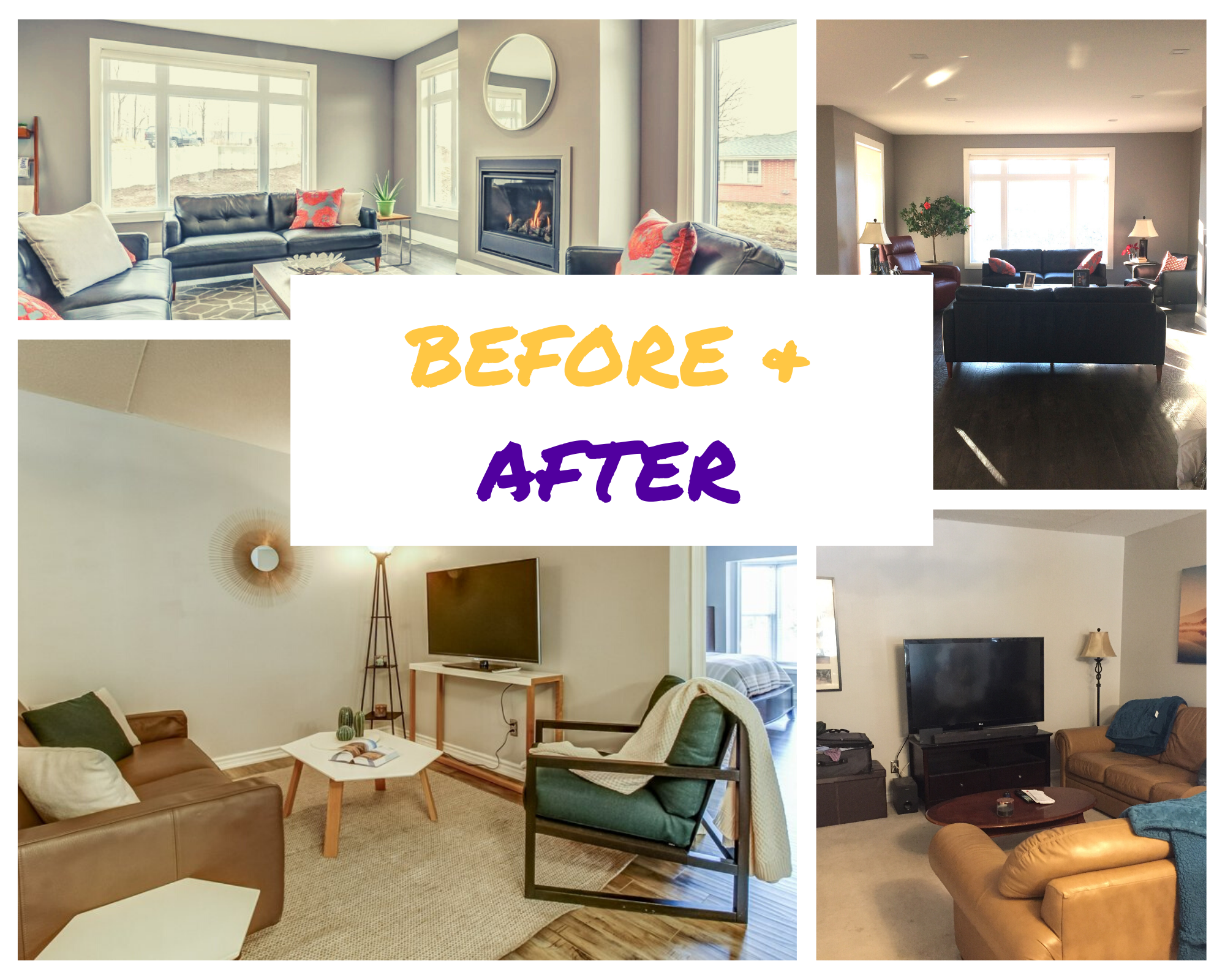
Before and After photos that show the power of Home Staging

Homes that are staged well definitely stand out. The right amount of decluttering, organizing and acessorizing does make your home more attractive to potential buyers. Here are some before and after photos of some homes we staged that show how powerful home staging can be.

Find balance when arranging furniture
Consider both size and placement when arranging furniture. Make sure not to group all the large pieces in one corner and also make sure there is variety in the shapes - like how we put a round teak stool beside the straight-line chair and a round clock between the square wall art and the bookshelves.

BEFORE 

 AFTER 

Declutter the wall space
Organizing and decluttering go hand-in-hand with home staging. The focus is now on the fireplace versus your eyes being distracted by all the photos on and above the mantle.

BEFORE 

 AFTER 

Update the decor
Many consumers have a hard time envisioning themselves in a space if the decor is too distinctive or distracting. Keeping items current and appealing to all is a way to attract as many buyers as possible.

BEFORE 

 AFTER 

Consider furniture placement to maximize traffic flow
People should not be tripping over each other when getting in and out of bed. Moving the bed onto the longest wall created a clear path and made the room feel twice as big.


BEFORE 

 AFTER 

Don’t push furniture against the walls
Pulling the furniture away from the walls provided easy access to the windows & blinds and allowed for a cozier conversation area where people don’t have to shout across the room. 


BEFORE 

 AFTER 

Consider the floor color when choosing a rug
You want that rug to be a contrast or a different coloration, especially if the flooring is dark.  It can be something that will work with your color schemes but on the lighter side.


BEFORE 

 AFTER 

Strategize if you’re in a small space
Look for pieces that are elevated from the floor. It lets light under the furniture and creates more visual space.


BEFORE 

 AFTER 


Read

Is a Move-In-Ready home worth a higher price?

When you’re in the market looking for a resale home, you’re bound to come across listings that advertise “move-in-ready”. That simply means that there is little, if any, work that needs to be done after you’ve purchased the home. You should expect that it is freshly painted, there are no maintenance issues and everything works.
 
That can be a big advantage when buying a new home. You can move in and start enjoying the place right away! However, some listings may be priced a little higher because they are move-in ready. They also tend to show better and, therefore, attract more buyers – increasing the likelihood of multiple offers.
Is it worth paying a little more for a move-in-ready home? It depends. Consider the following:
 

1.What is the value in terms of convenience and time-savings of not having to do a lot of clean up, painting and other work when you move in?

2.What is the cost savings from not having to get repairs, renovations and other work done by a contractor or other professional?


When you factor those in, paying a bit more for a move-in- ready home may be a bargain!

Read

What to watch for when viewing an older home

Buying an older property definitely has its advantages. The neighbourhood will already be well-established, so you’ll be able to get a sense of the community. The trees will be grown. The area will have a defined character. This combination of an older home and established community may be something you like, or even love.
 
However, when you’re viewing an older home for sale, there are a few extra things you need to be sure to check. Here are the most important:
 
Needed replacements. Nothing lasts forever. In any home, there are items that will eventually need to be replaced. The most common include roofing shingles, furnace, water heater, air conditioner, windows, deck, and fencing. When viewing an older property, ask about the age of each of these items. You’ll get an idea of probable upcoming replacement expenses.
 
Building issues. Homes were built differently decades ago than they are today. So, there may be issues that need to be addressed by a new owner. Some can be serious, such as water leakage and structural problems. Others, less so, such as old electrical outlets that need to be updated. If there are issues like these, they’ll likely be identified during the professional home inspection.
 
Drafts. Drafts are common in older homes. Of course, that doesn’t mean they shouldn’t be fixed. Even modest infiltration of air through an old window or door with worn weather- stripping could add hundreds of wasted dollars to your energy bill each year. Look for signs of drafts when viewing a home.
 
The good news is, the overwhelming majority of these issues can be fixed easily. Don’t let them dissuade you from buying an older home you otherwise like.

Read

Lighting the way for buyers

When you have buyers coming to view your house, you want it to look its best. Lighting plays a key role in making a good first impression. Just think of the last time you walked into an unfamiliar space with lighting that was too dim, too bright, or just too harsh.

Experts say the best lighting illuminates the space adequately without being too intense. There’s a simple calculation to determine the wattage you need. It’s the area of the room in square feet (length x width) multiplied by 1.5. So, a 10x12 room would require three 60 watt bulbs.

However, the type of room also makes a difference. You may want more light in the kitchen and bathrooms, because these tend to be very active spaces. On the other hand, you may want your living room to be dimmer to create a more relaxed setting and atmosphere.

Windows also make a difference. On bright days, a room with a fair-sized window may only need a third of the wattage. Experiment with lighting in each room to achieve the desired effect.

Also, make sure your home is well lit during evening viewings. It doesn’t need to be so bright that it’s blinding! You’re looking for pleasant lighting throughout the home, including in traditionally darker spaces such as closets. Professional stagers say turning the light on above the stove is a good idea too.

Also, make sure the curtains are open, especially if there’s an appealing evening view. Open curtains add to the sense of spaciousness.

People tend to equate evenings with relaxation. Put on soft background music during a viewing and avoid anything loud or energetic, such as the television.

Finally, buyers are particularly sensitive to seeing clutter when viewing a home after dusk. As much as possible, try to make your home “guest ready”.

Read

What to fix up in your home before you sell

If you have a home that is overdue for a renovation, you might be worried that it will be difficult to sell as a “fixer-upper”. In fact, you might delay listing your property for that reason.

The good news is, you don’t need to fix up everything in your home to prepare it for sale. You can be selective and choose only those projects that are most likely to help your home show well and sell quickly.

Here are some projects to consider:

Repairs. Few things stand out more during a viewing than something in obvious need of repair. That includes minor issues, like a dripping bathroom faucet, as well as major concerns, such as the central air conditioning unit not working. Get these repairs done.

Painting. Painting is one of the easiest and most affordable DIY projects you can do. Yet the impact it can have on your home is stunning. Some rooms are completely transformed by a fresh coat of paint.

Kitchens & Bathrooms. Buyers love to see great looking kitchens and bathrooms. In fact, there are even magazines devoted just to those rooms! You don’t necessarily need to do a major renovation of these spaces, but a makeover can be a good idea. Consider replacing sinks, countertops, and/or cabinet hardware.

Floors. If the floors in any of your rooms have become worn and unsightly, look at options for refreshing them. Consider replacing carpeting, refinishing hardwood, and/or getting tiles professionally cleaned and polished.

Outdoors. Sometimes you can compensate (a little) for a less-than-ideal interior by sprucing up the outdoor space. Explore ways to improve your deck or patio, walkways, and landscaping.

Even if your home is older, you can make it more attractive to buyers with any one of these projects.

Want more ideas for finding eager buyers for your home? Call today.

Read

How much should you budget for your next home?

If it’s been a while since you last moved, you might be wondering how much you'll need to spend on your next home. That's an important question to answer, even if you're just at the "thinking about it" stage and haven't decided whether or not you'll look for a new property.

After all, knowing your budget might influence your decision. How should you determine your budget?

The first step is to calculate the maximum you can spend. This involves adding the money you'll get from the sale of your current property after repaying your outstanding mortgage, to any other funds you have available to invest plus the maximum amount of mortgage you qualify to receive.

Of course, just because you may qualify for a large mortgage doesn't mean you want those bigger payments. So, the second step is to think about your needs. What features are a must in your next home? For example, you might want four bedrooms and anything less would be a deal-breaker.

Make a "must-have list". That list can by used to find a baseline of properties on the market — and then find their average asking price. This will give you an idea of what it would cost to find a home that meets your must-have list.

The third step is to go beyond needs and consider the features you want. These might not be deal-breakers, but you'd sure love to have them in your next home. They could be a large deck, a location in a desirable neighbourhood, a big country kitchen, etc.

Ask yourself how much you would be willing to pay for those desirable features. $20,000? $50,000?
Once you've gone through these steps, you'll have the information you need to match your needs and wants to what's available on the market — and you’ll know how much you might expect to pay for your next home.

Thinking about moving? Wondering how much you should budget for your next home? Give me a call, I’d love to help you prepare for your next move!

Read

What will the demand be for your listing?

If you’re thinking of selling your home, you may be wondering about the current market demand for homes like yours. Will there be a lot of qualified buyers eager to see it? Will your home compete with so many similar listings that it may take a few weeks to sell?

In basic economics, demand is defined as the number of buyers versus the amount of inventory. There’s a fancy scientific formula that calculates demand, but in real estate terms it’s simple:

• High demand: More buyers looking than there are homes like yours available. (Example: 15 active buyers but only 10 homes like yours on the market.)

• Low demand: Fewer buyers looking than there are homes like yours available. (Example: 10 active buyers on the market and 15 homes like yours listed.)

The demand impacts not only how long it may take to sell your property, but also the asking price and marketing.

Fortunately, you can sell your home even in a low demand cycle. You just need to stage it well, price it right, and market it effectively.  

Thinking of selling?  Give me a call, I’d love to help you get the selling price your home deserves!

Read

The 4 Ps to Maximizing your Selling Price

When you sell, you’ll probably want to get the best possible price for your property. Who wouldn’t? Unfortunately, there are many ways to inadvertently leave money on the table – sometimes thousands of dollars.

How do you avoid that possibility? Just remember the 4 Ps: 

  • Prep. Do everything you can to prepare your home so that it looks great to buyers. Clean, declutter, fix, make improvements. Home staging can also help. In fact, effectively staged homes have been shown to sell for up to 5% more than comparable unstaged properties.

  • Price. Set the right asking price. That’s crucial. If it's too low, you'll attract only deal-hunters — and you might end up getting less than you should. If the asking price is too high, however, you'll discourage those buyers who might otherwise be interested and willing to make a good offer. Be careful with pricing!

  • Promotion. There may be qualified buyers out there who would be eager to see your property. But, they need to find out about your listing and the great features of your home first! Reaching these buyers requires more than merely profiling the listing on the MLS. Homes that sell for top dollar often have strong marketing — directed to the right buyers.

  • Proposal. Once an offer comes in, there may be an opportunity to negotiate with the buyer to maximize the final price you get. This requires deep knowledge of the local market as well as street-smart negotiation skills. If done effectively, these negotiations can help put more money in your pocket. 

These four Ps are easy to remember, but sometimes not so easy to implement! That's why working with a great real estate agent is so important. Contact me to get the conversation started. 

Read
Categories:   home buying tips | Home Ownership | home ownership tips | home selling process | home selling tips | PROCESS FOR SELLING A HOME | average vs benchmark price | ax Planning for Real Estate Investors | backyard home buying tips | backyard improvement | Bedroom Staging Tips | Bedroom Transformation | Best Renovations for ROI | boost home value | boosting curb appeal | Bright and Spacious Bedrooms | BROKER | budget tips for home buyers | budgeting tips | Burlington | Burlington easy-care homes | Burlington evenTS | burlington festivals | Burlington first homes | Burlington homes | burlington homes for sale | BURLINGTON HOUSE PRICES | Burlington Market Updates | Burlington Ontario | BURLINGTON ONTARIO REAL ESTATE MARKET | Burlington real estate | Burlington real estate market | BURLINGTON REALTOR | Burlington waterfront lifestyle | buyers market | BUYING A HOME | buying a home Burlington | buying a home for resale | buying a home in Hamilton | buying a house | buying a house in ontario | buying a house short-term | buying and selling homes quickly | buying and selling tips | buying out of town | buying your first home | Canadian homeownership | Capital Gains Tax Changes 2024 | Capital Gains Tax for Trusts and Corporations | carefree homeownership | closing costs Ontario | clutter free | competitive offer | condo lifestyle Burlington | container gardening tips | coronavirus | Cost-Effective Renovations | cozy backyards Flamborough | Curb Appeal Enhancements | Custom Bedroom Design | decking options | declutter | decluttering | decorating | Design | design tips | Desk and Workspace Integration | discover waterdown | DIY | DIY tips | donate | down payment savings plan | down payment tips | eco-friendly | Energy Efficient Upgrades | evaluating home value | explore burlington | FALL MAINTENANCE TIPS | family room | family room makeover | Federal Budget 2024 | financial guidance | FINDING A REALTOR | first time home buyer | FIRST TIME HOMEBUYER | first-time home buyer Canada | first-time home buyer rebates | first-time home buyer tips | Functional Bedroom Layout | functional home office | functional living spaces | furniture arrangement | getting to know the neighbourhood | GTA HOUSE PRICES | HAMILTON | HAMILTON & BURLINGTON | Hamilton housing market | Hamilton low-maintenance homes | Hamilton market trends | Hamilton real estate investment | hardscaping for small spaces | hire a contractor | hiring a contractor | HOME BUYER HELP | home buyers tax credit | home buying | home buying guide | home buying process | home BUYING tips | HOME CARE | home design | home design tips | home improvement | Home Improvement Ideas | home improvement tips | home inspection costs | home insurance | HOME MAINTENANCE | Home office | HOME OWNERSHIP | home ownership safety tips | home ownership tips | Home Prices | home prices burlington | home prices greater hamilton area | home pricing | home renovating tips | home renovation tax credits | home renovation tips | home renovations | home sales | home search | HOME SELLER HELP | home seller tips | home selling PROCESS | home selling tips | HOME STAGING | Home Staging Ideas | home upgrades | homeownership advice | homeownership budgeting tips | homeownership tips | Homes Waterdown | homes with smart tech | housing affordability in ontario | Housing Market | housing market trends | housing supply | housing trends | how to boost curb appeal | Impact of Capital Gains Tax on Property Sales | improving curb appeal | increase home value | investment property Hamilton | inviting living space | kitchen ideas | land transfer tax Ontario | legal fees home purchase | LIFESTYLE TIPS | lighting ideas | Lighting Solutions | listing photos | local housing market | love where you live | low budget updates | low-maintenance landscaping | low-maintenance living Burlington | low-maintenance yards | main floor living room | making an offer | market conditions | Market fluctuations | market insights | Market Snapshot | market trends | MARKET TRENDS GTA | MARKET UPDATE | market watch | Master Bedroom Design | maximizing resale value | Minor Kitchen Remodel | modern homes Burlington | mortgage | mortgage calculator | mortgage payments deferral | mortgage renewal | moving | moving costs planning | moving expense deduction Canada | moving expenses | moving tips | moving vs renovating | Multi-Use Spaces | multigenerational homes in GTA | multigenerational living | native plant landscaping | negotiate | neighbourhood growth Hamilton | new listings vs sales | Oakville | OAKVILLE REAL ESTATE | Oakville Realtor | Ontario | Ontario real estate | open concept design | open-concept floor plans | outside cleaning tips | painting | payments | Philip Hollett | physical distancing | population growth | positive habits | PREPARE FOR HOMEOWNERSHIP | PREPARING FOR FALL | preparing to sell your home | preparing your home for sale | PRICING A HOUSE | process for BUYING a home | process for selling a home | property insurance budgeting | property value | reading nook | Real Estate | Real Estate Advice | real estate appreciation Hamilton | real estate broker | real estate expert | real estate investing ontario | real estate investment tips | Real Estate Investments Tax Implications | real estate law | real estate legal fees | Real Estate Market | REAL ESTATE MARKET FLUCTUATIONS | real estate market trends | Real estate market update | real estate negotiation | real estate tax deductions | real estate tax incentives | REAL ESTATE TIPS | real estate trends | Real Estate Waterdown | Realtor | Realtor Waterdown | Realtor, Burlington Real Estate Market | REALTOR® tips | reduce expenses to save | reduce stress | Renovation | renovation costs in ontario | rental potential homes | rental property tax incentives | Residential Property Flipping Rule 2024 | safety tips | save money | save time | saving for a down payment | sellers market | SELLING A HOME | selling a home tax benefits | selling a house | selling my home | SELLING PROCESS | selling real estate during covid-19 | short-term home buying tips | short-term property investment | small backyard ideas | smart home buying tips | smart home features | smart money habits | social distancing | spending habits | STAGING TIPS | STAGING TO SELL | staging your home | tax planning strategies | things to do in burlington | THINGS TO DO IN BURLINGTON ONTARIO | things to do in Waterdown | things to two in burlington ontario | TIPS AND TRICKS | TIPS FOR BUYING A HOME | tips for first-time buyers | tips for selling your home | tips for selling your housE | tips to sell your home | title insurance cost | to do before viewing | to do before you sell | top renos | top tips to get the best offer | TV room layout | versatile seating | visit waterdown | Waterdown | waterdown community | waterdown events | waterdown festival | Waterdown homes | waterdown homes for sale | Waterdown homes with yards | WATERDOWN HOUSE PRICES | Waterdown market | Waterdown Market Updates | Waterdown Ontario | WATERDOWN ONTARIO REAL ESTATE MARKET | Waterdown Real Estate | Waterdown real estate market | Waterdown Realtor | Waterdown realtorÇ | waterdown village | WHAT TO LOOK FOR WHEN BUYING A HOUSE | window replacement | working from home | working with contractor
This website may only be used by consumers that have a bona fide interest in the purchase, sale, or lease of real estate of the type being offered via the website. The data relating to real estate on this website comes in part from the MLS® Reciprocity program of the PropTx MLS®. The data is deemed reliable but is not guaranteed to be accurate.